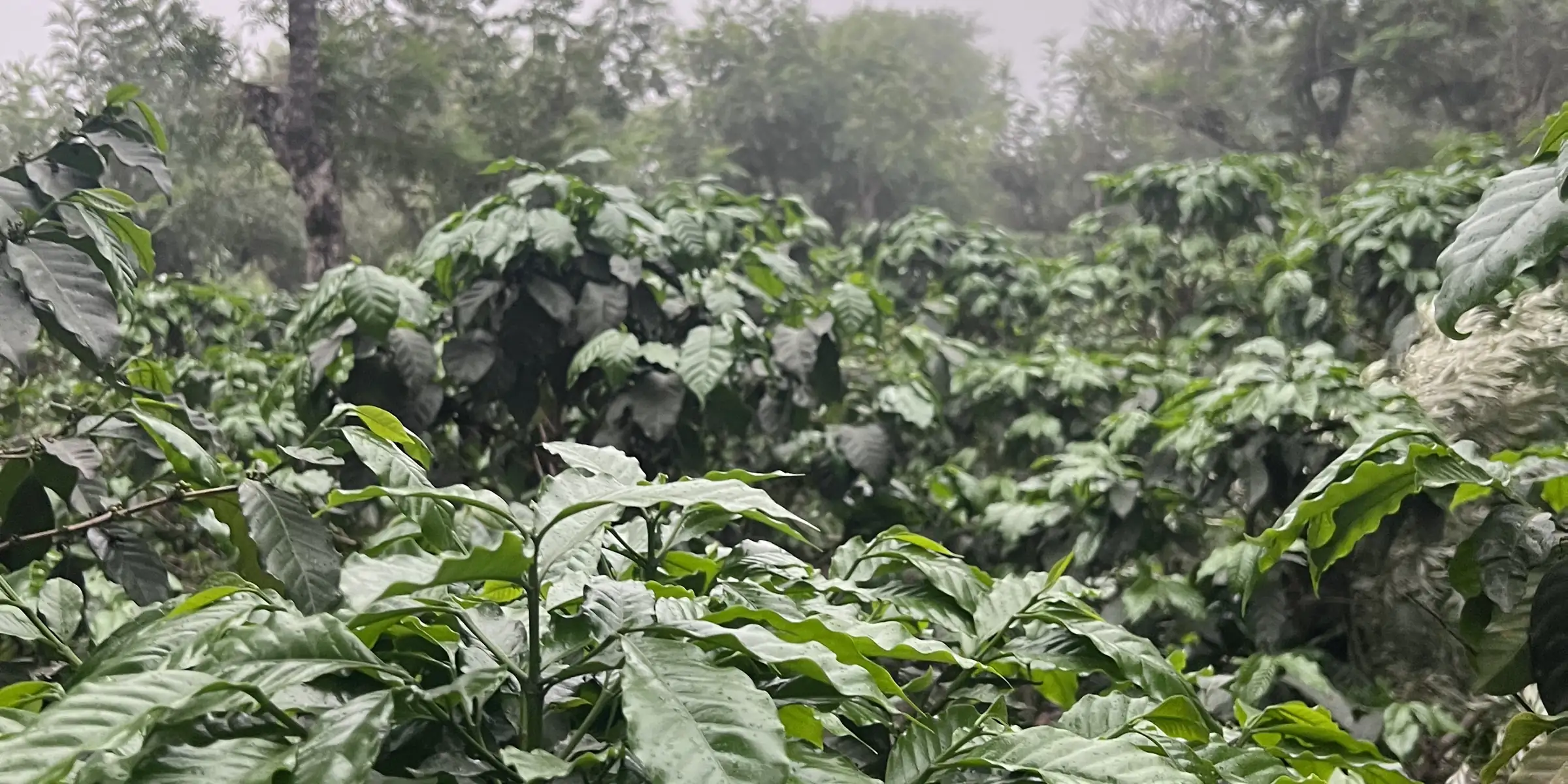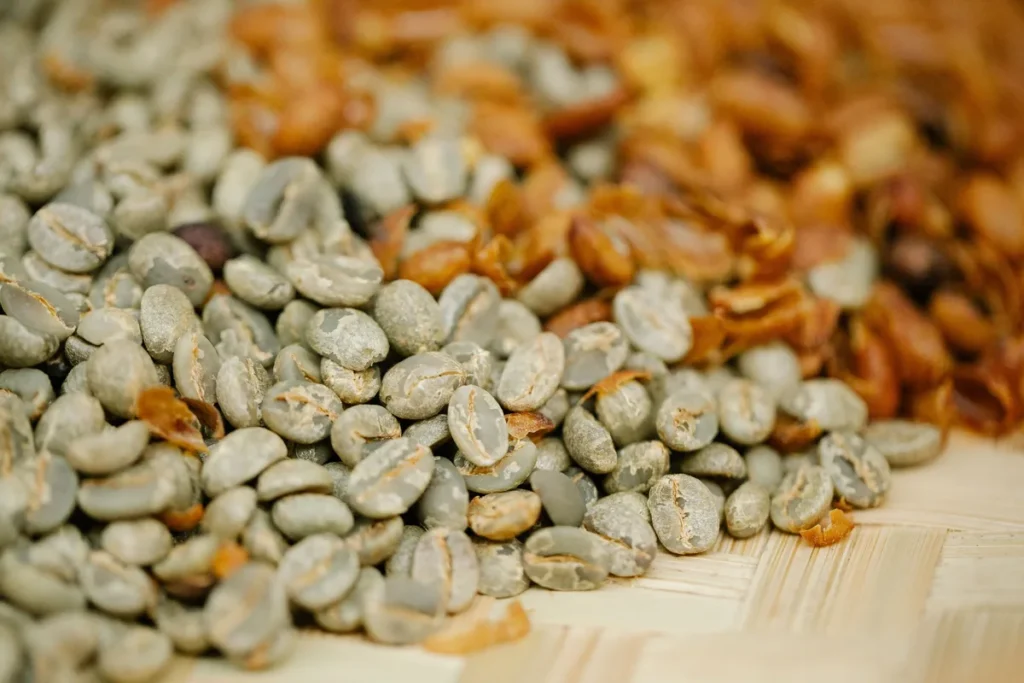
Two coffees from the same farm can taste very different depending on what happens after harvest. That difference is called processing, and the two most common methods are washed and natural.
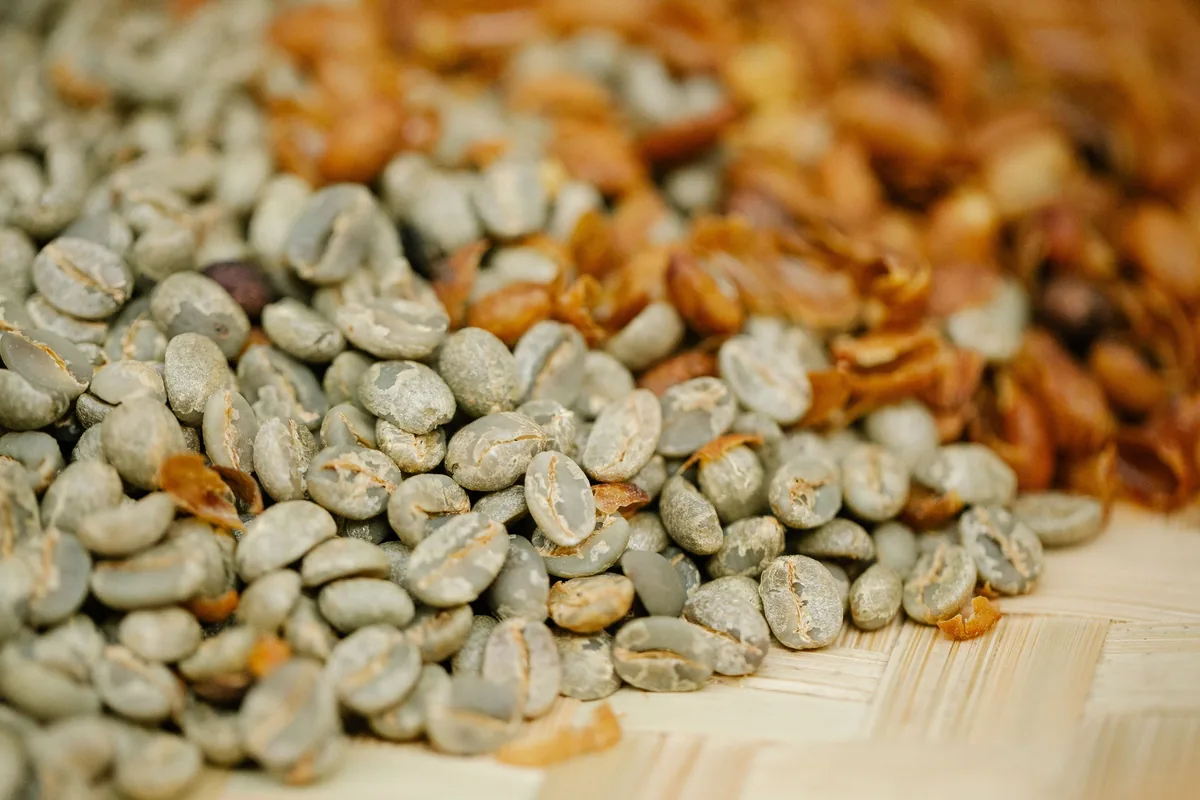
What processing means
A coffee bean is the seed of a cherry. After picking, the seed has to be separated from the fruit and dried. How that is done changes the flavor.
Washed coffee
The pulp is removed and the bean goes through water before drying. Because the fruit is no longer touching the bean while it dries, the cup tends to be cleaner, with clear acidity and more defined notes.
Natural coffee
The cherry dries whole, with the fruit still around the bean. Done well, it gives a fruitier, sweeter cup with more body, sometimes with notes that recall wine. Done carelessly, it can taste fermented or dirty. That is why natural processing takes a lot of care.
An example from our farm
Our latest natural lot scored 87.63 points in cupping. The score sheet lists blueberry, cocoa and plum in the fragrance; red berries, panela and tamarind in the flavor; and tartaric acidity with black grape. The body is described as full and juicy. To understand what that score measures, read what an 87 means.
Which to choose
- You like clean, bright coffee: try a washed.
- You like sweet, fruity coffee: try a natural.
- Not sure: brew one of each with the same method and recipe and compare. There is no winner; it depends on your taste and the producer’s care.
Frequently asked questions
Does natural coffee have more caffeine?
Not in any meaningful way. Processing changes flavor, not caffeine.
Does natural mean fermented?
A good natural should not taste fermented. If it does, something went wrong during drying.
Do you work with both processes?
Yes. We publish natural and washed lots. See the available lots.